
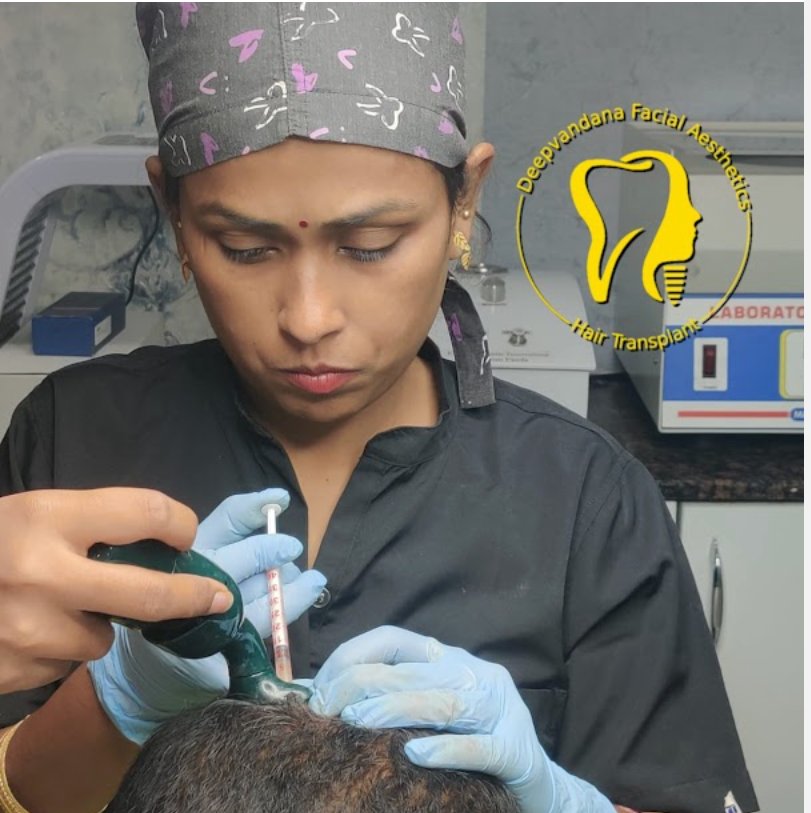
What is this treatment?
Hair transplant moves healthy hair roots from a donor area to thinning or bald areas. A natural result depends on diagnosis, donor strength, hairline design, graft direction and long-term hair-loss control.
Comfort-first planning
We explain what you may feel, how long it may take and how comfort is managed before treatment begins.
Numbing support where suitable
For procedures that need it, local anaesthesia or numbing support is planned by the doctor.
Private, calm experience
Consultations are handled discreetly with time to ask questions before deciding.
Clean, sophisticated care
The experience is intentionally calm, organised and clinical — not rushed or salon-like.
Treatment photos and procedure highlights
Treatment visuals are displayed in a legibility-first format so labels, before-after context and procedure details remain easy to read.
Hair GFC treatment
Hair growth factor concentrate treatment snapshot.
Scalp preparation before hair transplant
Scalp-focused planning before hair restoration.
Surgical procedure glimpse
A look at specialist-led facial and scalp procedures.
Shared with patient consent. Results vary by individual and should be discussed during your consultation.
When to consider it
- Receding hairline or crown thinning
- Stable donor area
- Patients with realistic expectations
- People seeking doctor-led planning
Your comfort-led care journey
How the care journey works
Hair and scalp review
The doctor reviews hair-loss pattern, scalp health, medical history and lifestyle triggers.
Diagnosis and planning
You understand whether medication, sessions, transplant or maintenance care is suitable.
Treatment
The selected treatment is performed with aseptic technique and clear comfort guidance.
Maintenance
Follow-up and home care help protect results over time.
Common questions
How do I know which hair treatment I need?
A consultation helps identify the type and stage of hair loss before choosing GFC/PRP, medicines, transplant or maintenance care.
Are results permanent?
Some treatments support existing hair and need maintenance. Transplant results depend on donor quality and long-term hair-loss control.
How many sessions are needed?
The number of sessions varies by diagnosis, severity and response. The doctor will explain your plan.